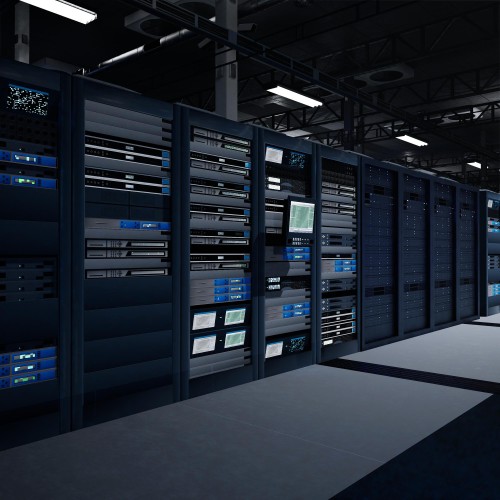
China has reclaimed its position at the forefront of global supercomputer rankings with the debut of its LineShine system, marking a significant milestone in the nation’s development of homegrown computing technology. This achievement, showcased by the LineShine supercomputer at the National Supercomputing Centre in Shenzhen, underscores China’s advancements in the tech arena. While LineShine has surpassed the previous leading U.S. system, experts caution that this does not necessarily signify that China has outpaced the United States in the realm of artificial intelligence.
The LineShine system’s success lies in its use of domestically produced chips, propelling it to the top of the traditional supercomputer rankings. Nonetheless, analysts argue that these rankings primarily assess machines crafted for scientific computing tasks, which may not accurately reflect the performance of systems designed for modern AI workloads. As such, the most powerful AI systems, often developed by major technology companies, are typically not accounted for in these evaluations.
Experts emphasize that cutting-edge AI computing relies heavily on specialized chips and expansive data center infrastructure. Despite China’s notable achievement, the nation continues to face challenges due to restrictions on access to advanced AI chips, posing a hurdle to its AI development aspirations.
China’s resurgence to the pinnacle of supercomputing is viewed as a testament to its efforts to bolster self-reliance in chip design and computing innovation. However, the competitive landscape between China and the United States in advanced computing remains intense. Both nations are investing significantly in artificial intelligence, quantum technology, and next-generation computing systems, fueling a persistent race for technological supremacy.