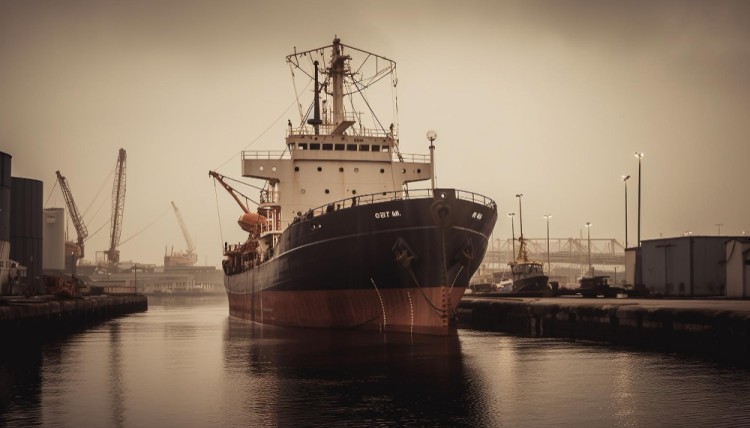
Despite a recent agreement between the United States and Iran, commercial shipping through the Strait of Hormuz faces ongoing restrictions due to remaining naval mines. Industry officials caution that normal operations cannot resume until approximately 80 mines are cleared from the central shipping channel, posing a threat to safe passage for commercial vessels.
Some ships have adapted by using a narrower route along the Omani coast, but experts warn this option raises the risk of groundings and maritime accidents. The backlog of hundreds of vessels waiting in the Gulf after months of disruption underscores the scale of the issue, with clearing the congestion expected to take weeks or even months. Additionally, shipping companies are grappling with electronic signal interference reported during the conflict, which has disrupted navigation systems and increased collision risks in the busy waterway.
The Strait of Hormuz holds critical importance as a global energy corridor, transporting a significant portion of the world’s oil exports. Prolonged disruptions in this region are likely to impact global supply chains, elevate shipping costs, and influence energy markets.
Further compounding industry concerns is Iran’s proposal to levy transit fees on commercial vessels once the current toll-free period concludes. Shipping companies argue that introducing such fees on international waters would breach established maritime law and could set a challenging precedent for other vital global shipping lanes.