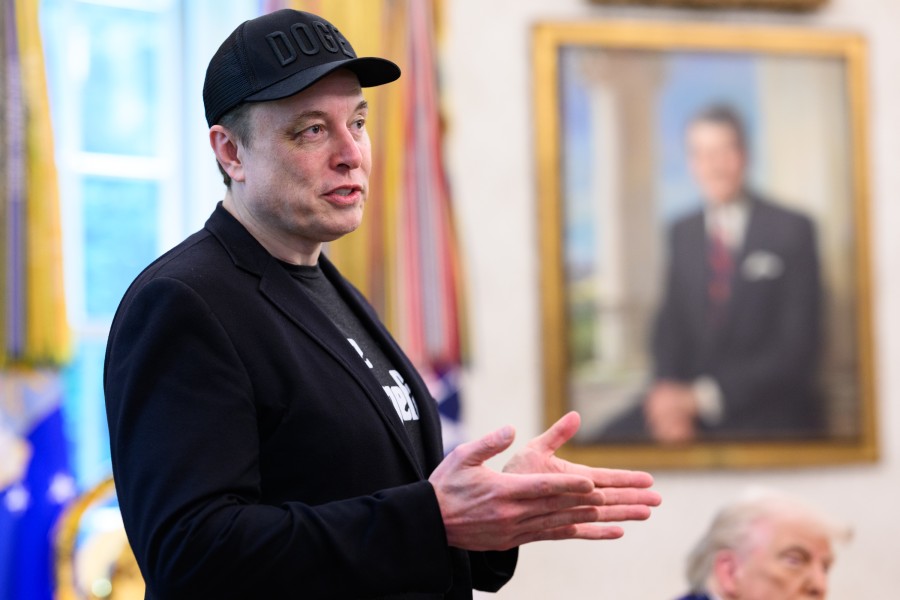
Elon Musk has seen his wealth dip below the trillion-dollar threshold following a decrease in the stock values of Tesla and SpaceX, though he still holds the title of the world’s wealthiest individual. Musk’s unprecedented achievement as a trillionaire was largely propelled by SpaceX’s strong performance in the stock market, which initially skyrocketed the value of his holdings and pushed his fortune into trillionaire status. The bulk of Musk’s wealth is deeply intertwined with his business interests, making his financial standing particularly sensitive to market fluctuations.
The recent downturn in the technology sector has had widespread repercussions, affecting major companies, including those associated with artificial intelligence. This sector’s volatility, spurred by concerns over rising interest rates and market instability, as well as apprehensions about a slowdown in AI investments, has contributed to declining share prices across the board. These market dynamics have directly impacted Musk’s net worth, given his substantial stakes in the companies.
Because Musk’s wealth is primarily linked to the stock market performance of Tesla and SpaceX, any significant change in their market valuation can quickly alter his estimated fortune. Should there be a rebound in the shares of these companies, Musk’s net worth could once again breach the trillion-dollar mark. His financial trajectory remains closely aligned with the fortunes of his business ventures and their growth potential.
Despite the recent setback, Musk remains significantly ahead of other billionaires in terms of wealth. His financial status continues to be driven by the success and growth prospects of his enterprises. As such, even with the fluctuation in his net worth, Musk’s financial influence and the performance of his companies remain strong forces in the global economic landscape.